
Plus vs Prime vs Standard BTO: The Difference That Decides Your Next 10 Years
1. What Plus, Prime and Standard actually mean
2. The Plus Prime Standard BTO difference in one table
3. The 10-year MOP: the cost nobody prices in
4. Subsidy clawback: 8%, 10%, 14% — real 2026 numbers
5. The shrunken resale pool problem
6. My decision framework: who should ballot what
7. Worked numbers: Prime vs Standard over 15 years
8. Singles and 2-room Flexi buyers
9. My verdict
10. FAQ
The plus prime standard bto difference is the single most misunderstood thing I deal with in 2026. Every week a young couple sits across from me and says the same thing: “Gary, Bishan Prime lah. Confirm win.” And every week I make them slow down, because the label on the flat now changes your MOP, your exit profit, your rental options and even who is legally allowed to buy your flat from you. After 17+ years and 500+ transactions, I can tell you: this is no longer one housing market. It’s three different products wearing the same HDB logo. Let me break down exactly how they differ — with the real 2026 clawback numbers — and give you the framework I use with my own clients.
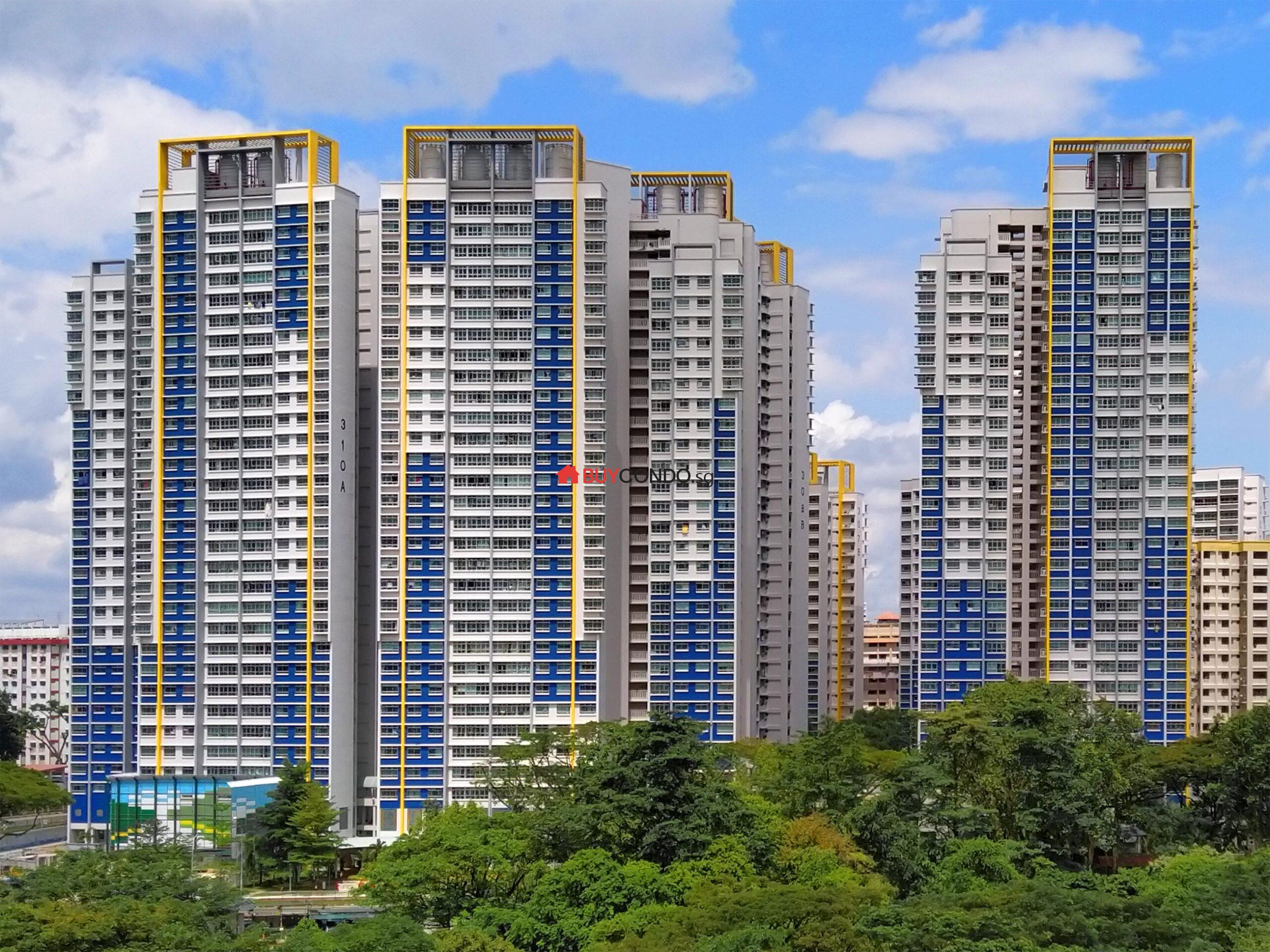
1. What Plus, Prime and Standard actually mean
Since the October 2024 BTO exercise, HDB stopped classifying flats as “mature” versus “non-mature” estates. Every new BTO project now launches under one of three labels: Standard, Plus or Prime — based on how attractive the location is. The better the location, the bigger the subsidy HDB pumps in to keep the launch price sane. And the bigger the subsidy, the tighter the strings attached.
Here’s the part most buyers miss: the strings don’t expire. A Prime flat bought in 2026 carries its restrictions for life — through your sale, and onto the resale buyer’s eligibility. This isn’t a temporary cooling measure. It’s a permanent re-design of public housing.
The scale is also bigger than people realise. HDB is launching about 19,600 BTO flats across three exercises in 2026 — and in the June 2026 exercise alone, nearly half the 6,952 flats offered were Prime or Plus. This classification question is not a niche concern anymore. It IS the BTO market.
2. The Plus Prime Standard BTO difference in one table
If you read nothing else, read this. This is the whole plus prime standard bto difference at a glance:
| Rule | Standard | Plus | Prime |
|---|---|---|---|
| Location type | Most of the island (Sembawang, Woodlands, Tengah etc.) | Choicer spots in good towns — near MRT, near town centres (e.g. Kebun Baru, AMK) | The best land HDB has — city fringe & central (Bukit Merah, Bishan Upper Thomson) |
| MOP | 5 years | 10 years | 10 years |
| Subsidy clawback on first resale | None | Project-specific — 8% in the June 2026 AMK projects | Project-specific — 10% (Bishan) to 14% (Bukit Merah) in June 2026 |
| Resale buyer income ceiling | None | $14,000/mth (family), $7,000 (single) | $14,000/mth (family), $7,000 (single) |
| Resale buyer private-property rule | Standard HDB rules | Must not hold private property (incl. 30-month wait after disposal) | Same as Plus |
| Rent out whole flat after MOP | Allowed | Never allowed | Never allowed |
| Singles (2-room Flexi) | Can ballot | Can ballot | Can ballot |
| Upfront price | Market-pegged for the area | Extra subsidy applied | Deepest subsidy applied |
Three products. Same logo. Completely different ownership journeys.
3. The 10-year MOP: the cost nobody prices in
Everyone fixates on the clawback percentage. Wrong instinct. In my view the 10-year MOP is the bigger price tag, because it’s paid in life flexibility, not dollars.
Count it properly. A Prime BTO balloted in 2026 completes around 2030–2031. Add 10 years of occupation: you are locked until 2040 or 2041. That’s fifteen years from today before you can sell or upgrade. Now overlay real life on that timeline:
| Life event | Standard (5-yr MOP) | Plus/Prime (10-yr MOP) |
|---|---|---|
| Kids arrive, need bigger space | Sell & upgrade from year 5 | Wait. Squeeze. Wait some more. |
| Job posting overseas | Rent out whole flat after MOP | Whole-flat rental banned forever — service the flat empty or sell (only after year 10) |
| Upgrade window when private prices dip | Can strike from year 5 | Miss it if it lands in your lock-in |
| Divorce/financial stress before MOP | Painful | Same pain, doubled duration |
I’ve seen what a market cycle does in ten years. The couples who upgraded well in my 500+ transactions almost all did it because they had the option to move when the window opened. A 10-year MOP means roughly one full property cycle passes while your hands are tied. If your five-year plan involves children, upgrading, or working overseas — that “discounted” Prime flat is expensive in the currency that matters.
4. Subsidy clawback: 8%, 10%, 14% — the real 2026 numbers
This is where the plus prime standard bto difference gets expensive in actual dollars. HDB claws back a percentage of your resale price or valuation, whichever is higher — not your purchase price — when you sell for the first time. The rate is announced per project at launch. The June 2026 exercise gave us the clearest picture yet:
| June 2026 project | Classification | Clawback rate |
|---|---|---|
| Kebun Baru Breeze / Kebun Baru Ridge (Ang Mo Kio) | Plus | 8% |
| Lakeview Cascadia (Bishan) | Prime | 10% |
| Berlayar Rise (Bukit Merah) | Prime | 14% |
| Sembawang Portico / Brook, Woodgrove Acres (Woodlands) | Standard | 0% |
Notice the trend: 14% at Berlayar Rise is the steepest rate we’ve seen, and the October 2026 Toa Payoh project has been guided at 10–14% too. HDB is getting more surgical — the hotter the location, the more of your upside they reserve.
What the clawback really does to your exit
Say you buy a Berlayar Rise 4-room and sell in 2042 for $1,000,000. The 14% clawback is on the full million — $140,000 gone before your loan settlement and CPF refund. Your neighbour in a Standard flat who sells for the same price keeps every cent. And here’s the kicker most people miss: the percentage never tapers. Sell in year 11 or year 30 — same rate. Time does not forgive it.
5. The shrunken resale pool problem
The restriction nobody talks about at the showflat: when you eventually sell a Plus or Prime flat, your buyer must earn $14,000/month or less as a household ($7,000 for singles) and must not hold private property. Standard flats face no such ceiling.
Think about who pays top dollar in today’s resale market. Million-dollar HDB transactions — the kind I documented in my HDB resale prices 2026 breakdown — are frequently driven by high-income households and private downgraders with cash to spare. That is precisely the demand pool that Plus and Prime flats lock out. You’re selling a city-fringe flat while being banned from selling to the people most able to pay city-fringe money for it.
Will Plus and Prime resale prices still be strong in 2041? Probably decent — the locations are genuinely superior, and every buyer in the queue enjoys the same restrictions, so the flats will find their level. But “find their level” is doing a lot of work in that sentence. A capped buyer pool plus a clawback plus no rental fallback means the explosive upside scenarios — the ones that built the mature-estate millionaires of the 2010s — have been deliberately engineered out. That’s not me editorialising; that’s the stated purpose of the framework.
6. My decision framework: who should ballot what
Here’s how I actually advise clients, from 17 years of watching how these decisions age:
| Your profile | Ballot this | Why |
|---|---|---|
| Plan to live there 15+ years, love the location, no upgrade ambition | Prime | You’re buying a home, not a trade. The clawback only stings if you sell; the location premium you enjoy daily is real. |
| Upgrade-minded couple, aiming for condo/landed by your 40s | Standard | 5-year MOP is your springboard. Flexibility beats location. Sell, upgrade, repeat. |
| Want good location AND some flexibility | Plus (8% tier) | The compromise product — but go in eyes open on the 10-year MOP. Only worth it if the specific site is genuinely superior (Kebun Baru near Mayflower MRT qualifies). |
| Income near the $14k ceiling now | Standard or resale | Ironic but true: if your household income will blow past $14k, you’ll one day be selling to a pool that excludes people like you. Also check you’re even eligible at application. |
| Thinking “rent it out later, keep as investment” | Standard only | Whole-flat rental is banned on Plus/Prime forever. There is no landlord path. Full stop. |
| Singles buying 2-room Flexi | Plus/Prime worth a look | Different math — see section 8. |
If you’re still weighing BTO against buying resale outright, I’ve written a full comparison at BTO vs HDB resale flats — the classification framework makes that trade-off sharper, not simpler.
7. Worked numbers: Prime vs Standard over 15 years
Let me make this concrete with round-number estimates. (Prices for the June 2026 projects weren’t fully published at the time of writing — treat these as planning figures, not a bible; I’ll update when official pricing lands.)
| Prime 4-room (Bukit Merah type) | Standard 4-room (Sembawang type) | |
|---|---|---|
| Launch price (est.) | $780,000 | $420,000 |
| Earliest sale | ~2041 (10-yr MOP) | ~2036 (5-yr MOP) |
| Assumed exit price | $1,150,000 | $640,000 |
| Clawback | –$161,000 (14%) | $0 |
| Gross gain after clawback | $209,000 | $220,000 |
| Years locked in | ~15 from ballot | ~10 from ballot |
Read that twice. On these assumptions the Standard buyer nets more, five years earlier, with less capital at risk — and can rent the flat out if life changes. The Prime buyer got the better address and the better daily life. Neither answer is wrong. But anyone who tells you Prime is “confirm win” hasn’t done this table. The five extra years of optionality is exactly the window a Standard buyer uses to make their second move — the move that actually builds wealth, as I explained in my piece on what to do when your MOP hits.
8. Singles and 2-room Flexi buyers
Since October 2024, singles can ballot 2-room Flexi in all locations — including Prime. And the demand is wild: at the comparable OakVille @ AMK project, 2-room units were roughly four times oversubscribed by first-timer singles.
For singles I’m actually more sympathetic to Plus/Prime. Reasons: the absolute dollar clawback on a 2-room is much smaller; a single owner-occupier often genuinely stays long-term; and the EHG for singles (up to $60,000) plus deep Prime subsidies makes the entry price very manageable. The $7,000 income ceiling on your eventual resale buyer matters less at 2-room price points. Just be brutally honest about one thing: if there’s a real chance you marry and upgrade within ten years, the MOP will bite you the same way it bites couples.
🎯 Gary’s Verdict
Standard flats are the wealth-building tool. Plus and Prime flats are lifestyle purchases with a government-designed ceiling on upside.
The plus prime standard bto difference boils down to one question: are you buying your forever home, or your first chess move? Forever home in a location you love → Prime, enjoy it, ignore the noise. First chess move → Standard, keep your 5-year MOP, keep your rental option, keep your full exit price. The 8% Plus tier is the only middle ground I’d entertain, and only for a genuinely superior site.
新加坡买房,就找对的团队。We serve with heart.
10. FAQ
What is the main difference between Plus, Prime and Standard BTO flats?
Location tier and resale strings. Standard: 5-year MOP, no clawback, no resale restrictions. Plus and Prime: 10-year MOP, subsidy clawback on first resale (8–14% in 2026 launches), buyer income ceiling of $14,000, and a permanent ban on renting out the whole flat.
How much is the subsidy clawback in 2026?
It’s set per project at launch. June 2026: 8% for the Ang Mo Kio Plus projects, 10% for Bishan’s Lakeview Cascadia (Prime), 14% for Bukit Merah’s Berlayar Rise (Prime). The October 2026 Toa Payoh project has been guided at 10–14%.
Is the clawback based on my purchase price?
No — on your resale price or valuation at the point of sale, whichever is higher. It applies to the first resale only and does not reduce over time.
Can I rent out my Plus or Prime flat after MOP?
You can rent out spare bedrooms, but renting out the whole flat is banned permanently — even after the 10-year MOP. Standard flats can be fully rented out after their 5-year MOP.
Who can buy my Plus or Prime flat when I sell?
Only households earning $14,000/month or less (singles: $7,000, aged 30+ for Plus/Prime resale) who don’t hold private property. This shrinks your buyer pool versus a Standard flat.
Can singles buy Plus and Prime BTO flats?
Yes — since October 2024, first-timer singles can ballot for 2-room Flexi flats in all three classifications.
Do Plus and Prime flats get more subsidies?
Yes, that’s the trade. HDB applies extra subsidies to keep launch prices attainable despite superior locations — then recovers part of it via the clawback and restrictions. On top of that, eligible first-timers can stack the Enhanced CPF Housing Grant of up to $120,000.
Which should I choose if I plan to upgrade to a condo later?
Standard, almost every time. The 5-year MOP lets you catch an upgrade window a full property cycle earlier, and you keep 100% of your resale proceeds to fund the next purchase.
Balloting in the October 2026 exercise and not sure which tier fits your 10-year plan?
📱 WhatsApp Gary directly — 8986 1688
Honest answer within the day. No hard-sell, ever.
More resources: get a free valuation of your current home at buycondo.sg · watch my latest market breakdowns at the buyers.sg video hub.
Disclaimer: This article represents the personal views of Gary Lim and is for general information only. It does not constitute financial or investment advice. Figures cited (including project clawback rates and price estimates) are accurate to the best of my knowledge as at 26 July 2026 and may change — verify current rules with HDB before committing. Gary Lim is a licensed real estate salesperson with ERA Realty Network Pte Ltd (CEA Licence No. L3002382K), CEA Registration No. R009877B.